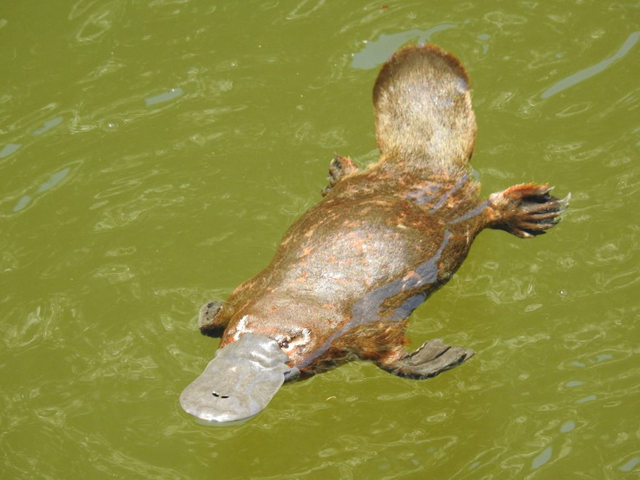
Warburton residents will have the chance to protect the precious platypus population of the Yarra River at an upcoming educational event.
Hosted by the Yarra Riverkeeper Association (YRKA) and Melbourne Water, the platypus patrol event will see participants learn about platypuses, what threatens them, and how we can help clean up their home.
It takes place on Sunday 18 January from 10am to 12pm and will start at Thomas Avenue. A small section of the guided walk involves stairs and uneven ground along the trail.
Co-hosting the event is YRKA community engagement and education officer Emma Barnett who said the event started with a guided walk along the Yarra Birrarung River.
“It is focused on understanding platypus habitat and the threats facing this iconic species.
“So people will learn how platypuses live and what they need to survive and how our activity, with a focus on stormwater and litter, impacts river health,” Ms Barnett said.
If participants are lucky, they might spot these “totally enigmatic” creatures, which Ms Barnett said always left people awestruck.
The event is open to all and registration is free of charge as Ms Barnett said both locals and visitors would benefit from learning more about our unique egg-laying, duck-billed, beaver-tailed mammals.
“We’ll also be chatting to visitors who might be visiting for the first time about why it’s important to dispose of our litter in bins or if they’re full, to take them home.
“We’re hoping that if people see us doing this, that will encourage them to take responsibility for their litter.”
It will be the first litter cleanup the YRKA has held in Warburton, and Ms Barnett hoped it’ll help reduce the waste left behind on busy summer days.
“We’ve heard that litter has become a real problem and on a weekend, on a nice sunny day after people leave, there’s a lot of rubbish on the river.
“So that’s why we feel like it’s really important to address this and see what we can do to increase people’s awareness about the impact of litter and also to encourage people to pick up their litter,” Ms Barnett said.
The abundance of native vegetation around the Yarra River in Warburton makes it a suitable habitat for platypuses.
Ms Barnett said it’s an incredible asset to the community and she wanted to help dispel myths surrounding what a “healthy” river actually looks like.
“People might look at the river and think, ‘Oh, it looks really messy, there’s a lot of debris and fallen logs.’
“But that’s actually what makes such an amazing habitat for platypus. A messy river is actually a healthy river and it creates those diverse little pockets that platypus and their food sources, macron vertebrates, like to make their homes.”
The real problem is of course the impact of humans, whether that be from the rubbish left behind, or stormwater and septic tank issues.
“The stormwater impacts in the upper reaches are a little bit different. And some of the issues of stormwater still include litter, but they also include leaky septic tanks which overflow.”
Historically, European scientists thought platypuses were a hoax, despite Aboriginal Australians having a longstanding relationship with the critter.
“So if you can see their habitat and you actually get the opportunity to see one, I think that is a real eye-opener for people.”
“It does give people a sense of responsibility to care for these special creatures and to find out what they can do to help protect them.”