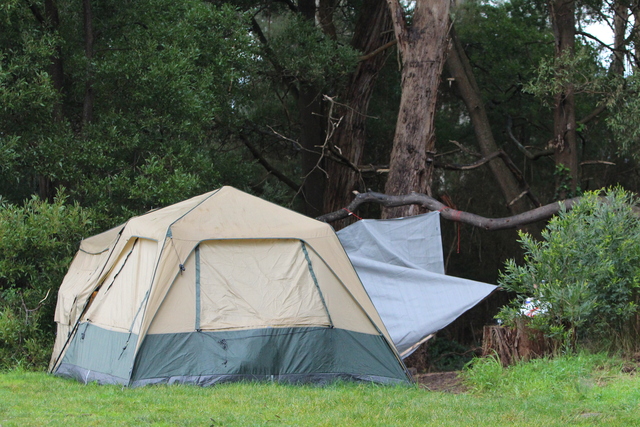
The increasingly dire circumstances of people experiencing homelessness have been captured in the Council to Homeless Persons’ new Victorian Homelessness Heatmap.
The local government areas (LGAs) of the Yarra Ranges and Maroondah have seen two of the highest increases in requests to homelessness support services, up 19 and 15 per cent respectively.
These statistics came as no surprise to the support services of the Outer East.
Holy Fools chief executive Neal Taylor said since opening Felix House in May 2025, they have seen a dramatic increase in the number of people experiencing homelessness who have contacted them or visited Felix House.
“Through our contact with so many people, we have found that many don’t want help from Anchor or other services because of rumours that there is nothing they can do for them, we do our best to allay the rumours and encourage them to contact the services,” he said.
“Besides those experiencing homelessness, we have seen a marked increase in requests as a whole…there are increasing numbers of people with mental health issues, drug and alcohol addictions, who are sleeping rough, many of these are being abused by the community, and being fair, many are showing some antisocial behaviours, but that does not mean everyone like this should be tarred with the same brush.
“The community, particularly its younger members, should be educated that these are people like them and that homelessness is only a few steps away for most of us in the community.”
Holy Fools and Felix House has seen people fleeing domestic violence, people evicted from properties because the landlord wanted the property for a relative, job losses, illnesses and carer responsibilities all be factors that contributed to local people experiencing homelessness. Particularly, they have noticed a concerning rise in the number of middle-aged and older women experiencing homelessness for various reasons.
Stable One chief executive Katherine Kirkwood said sadly, the statistics don’t surprise them and they continue to see growing demand for safe accommodation, particularly from people who are newly homeless or at risk of homelessness.
“Many people are staying in unstable or even dangerous housing situations for longer because there are very few affordable options to move into, we have a severe shortage of affordable and appropriate rental housing in the outer east and rising cost-of-living pressures are making already fragile housing situations untenable,” she said.
“At the Yarra Valley Winter Shelter last year we welcomed guests who were experiencing multiple compounding pressures at once – health issues, relationship breakdowns, family violence and financial stress.
“Sadly, once a person enters homelessness, their exit pathways are extremely limited, this means that services are supporting people for longer periods of time.”
Stable One wishes to see increased investment in social and affordable housing as well as in ‘wrap-around services, consisting of critical agencies such as Anchor as well as community-based or faith-based responses like themselves.
Anchor chief executive Heidi Tucker said it’s important to see this for the human crisis that it is, not just that numbers are getting worse.
“This increase means there are more children at your local school, teens at your local high school, and adults serving you at local shops who are all living in a scenario where home, stability and safety are not guaranteed,” she said.
“They might not fit your typical idea of what a homeless person looks like, but there will be people in local sports clubs, libraries, on public transport, in doctor’s offices, all who may be living in housing crisis.
“We have a situation where there are more people presenting to homelessness services, but not enough ability to support them with accommodation in the local area, we haven’t seen an increase in our resourcing to match the increases in people needing homelessness support, especially in the Yarra Ranges, there is only a small number of adult or youth homelessness refuges in comparison to other regions.”
Only the Hume LGA recorded a higher increase in requests for help (20 per cent) than the Yarra Ranges and Maroondah.
Council to Homeless Persons chief executive Deborah Di Natale said the heatmap exposed how Victoria’s housing crisis was devastating communities from Box Hill to Bendigo, with services lacking the resources to cope with surging demand.
“Growth corridors and regional centres are bearing the brunt of this crisis. These are communities where families moved for affordable housing, only to find themselves priced out and with nowhere to turn,” she said.
“Every day, services across Victoria are forced to turn people away – not because they don’t need help, but because we don’t have the resources or housing to offer them.
“This is the human cost of decades of underinvestment in social housing.
The heatmap was created through analysis of Australian Institute of Health and Welfare data which showed that 105,125 Victorians sought help from specialist homelessness services in 2024-25 – a 2.9 per cent statewide increase – which doesn’t show the drastic changes in individual regions.
Ms Di Natale said the geographic spread of the crisis reinforced Infrastructure Victoria’s call for 60,000 new social homes over the next 15 years, with urgent need for investment in outer suburbs and regional areas.
“The heatmap makes it crystal clear that this crisis isn’t confined to the CBD. It’s in our suburbs, growth corridors and regional centres. These communities need urgent investment now,” she said.
“We need the Victorian Government to commit to lifting Victoria’s amount of social housing to meet the national average.
“But we also need immediate investment in the services that keep people safe today, particularly in these growth areas where demand is skyrocketing.”