The devastating effects of January’s bushfires are yet to be fully felt, but wildlife rescuers, carers and veterinarians are doing their best to save and rehabilitate as many animals as possible.
Mount Evelyn’s Bungalook Creek Wildlife Shelter’s Emma Cash has been one of the many registered wildlife rescuers responding to the crisis.
However, access to the fire ground remains limited, and therefore, the number of animals that can be treated early is less than rescuers would prefer.
“The current Victorian bushfires are having a devastating impact on Australian native wildlife. Millions of animals are expected to perish, placing further pressure on already vulnerable populations,” Ms Cash said.
“Experience from previous fire events shows that survival rates are tragically low. Due to safety concerns, wildlife rescue organisations are often unable to access fire-affected areas for weeks.
“By the time access is granted, many animals injured by fire or suffering from starvation are beyond rehabilitation, leaving euthanasia as the most humane option.”
Emergency veterinary teams from Vets for Compassion, alongside Animals Australia, have been on the ground to assist with rescues on private properties and treat animals of all kinds.
“The days are long, and our hearts are heavy. The level of need to help animals affected by the fires is overwhelming,” Vets for Compassion posted to social media.
“We have responded to calls for help from agencies in the firegrounds, members of the community and wildlife carers alike to rescue and provide emergency veterinary attention and treatment to those who can be saved and help end the suffering for those who can’t.
“Our team have continued to provide support for animals in the form of food and water where their homes and food sources have been destroyed. We’ve been helping build spaces for rescued animals, now in the hands of carers, (to) have somewhere safe to heal.”
Ms Cash said trained wildlife rescuers are also able to assist private property owners, as well as meet at roadblocks to “provide urgent veterinary and medical care”.
“Rapid access is critical; the sooner animals receive treatment, the greater their chances of recovery and release.”
Adding to the crisis, Ms Cash said in the lead-up to the fires, the heat caused a significant number of deaths of the threatened grey-headed flying fox.
“(The) grey-headed flying foxes, a significant aerial pollinator for our old growth forests, have been enduring a starvation event, and as the fire began, an extreme heat event also hit many of our colonies.
“This has resulted in the collapse of multiple nationally significant colonies of the threatened grey-headed flying fox.
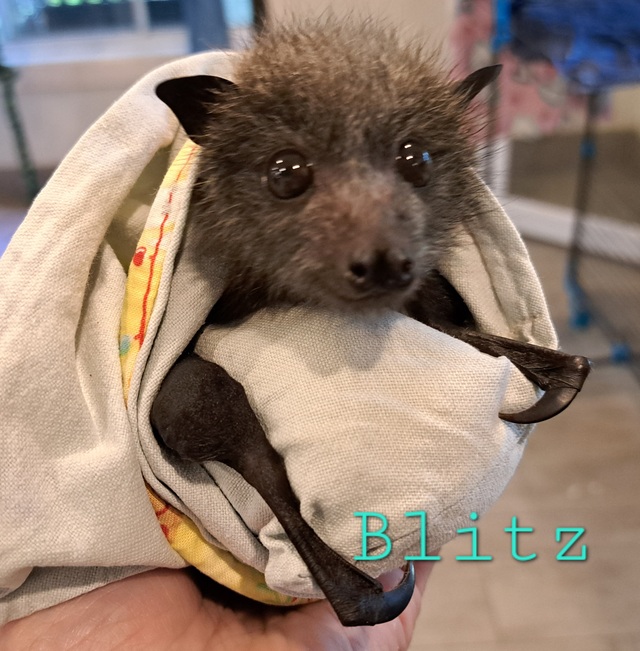
“This has caused thousands of deaths and left hundreds of orphaned pups, placing severe financial strain on wildlife carers and rehabilitation services.”
Bungalook Creek Wildlife Shelter are happy to be contacted and can provide either rescue/wildlife rehabilitation support or provide contact details for the closest licensed wildlife rehabilitator to the animal in need.
Members of the public who encounter injured wildlife are also urged to use the Victorian Government’s Help for Injured Wildlife service to locate trained rescuers:
wildlife.vic.gov.au/injured-native-wildlife/help-for-injured-wildlife
Those wishing to support the ongoing care of orphaned Grey-headed Flying Foxes are encouraged to contact Bungalook Creek Wildlife Shelter or Fly By Night Bat Clinic.