Melbourne’s water storages levels have dipped below 75 per cent in 2026, caused by hot, dry conditions, record-low streamflows and higher household use last year according to Melbourne Water’s Annual Water Outlook released on 23 December 2025.
From July 2024 to June 2025, inflows to Melbourne’s storages were 36 per cent below the 30-year average, including the lowest January-June inflows on record while 38,000 new households joined the city’s water network.
At the time of writing on Friday 9 January, water storage levels sit at 74.4 per cent.
Yarra Valley Water’s acting managing director Bridie Fennessy said, on behalf of Melbourne’s metropolitan water corporations, that in 2025 we saw the steepest drop in Melbourne storage levels since the Millennium Drought due to significantly lower inflows of water reaching our storages and higher water use.
“Our current storage levels mean that we don’t expect restrictions this summer, but declining storages are a warning sign and we’re asking Melburnians to use water wisely,” she said.
“If we each save a little, we all save a lot- every drop counts.”
Last financial year, Melbourne’s four major storages received 305 billion litres in annual inflows. At the same time, Melbourne’s customers used approximately 500 billion litres, with an increase of daily water use in Melbourne from 163 to 169 litres per person.
All water corporations urge residents to aim for no more than 150 litres of water use per person per day, achievable by following the Permanent Water Saving Rules and taking simple actions like four-minute showers, brushing teeth with the tap off, choosing drought tolerant native plants and mulch gardens, running full washing-machine loads, watering gardens early in the morning and fixing leaks quickly.
Water restrictions are not expected this summer but continued dry conditions and higher water use through 2026 may mean restrictions will be needed in summer 2026-27.
The Victorian government placed an order of 50 gigalitres of water for 2025-26 in March 2025 from Victoria’s desalination plant, which has been used in 8 out of the last 10 years.
When the annual water outlook was released in mid-December, Yarra Valley Water’s managing director Natalie Foeng said said storages remain secure for now – but conservation is vital to slow the decline.
“Melburnians have always adapted in dry times, and we need to do that again now,” she said.
“Our storages are secure today, but this year’s sharp fall shows how quickly they can drop in dry conditions and when rainfall is low.
“By using water wisely now, we can avoid or delay restrictions and protect supplies for our growing city.”
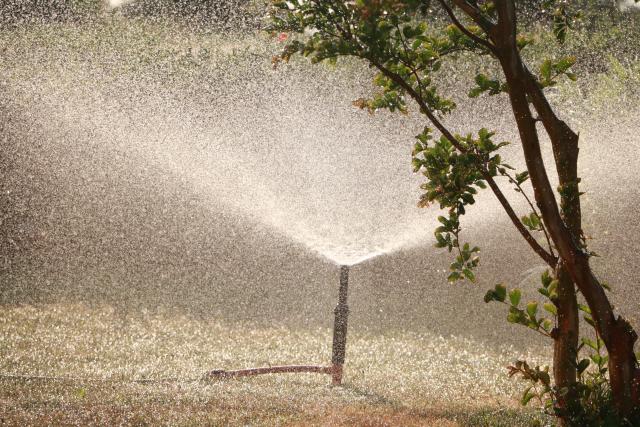
Specific water saving rules include only using sprinklers and watering systems between 6pm and 10am, ensuring hoses are leak-free and have trigger nozzle for all uses, not hosing hard surfaces such as driveways and decks and using a broom instead and only using fountains and water features that recirculate water.