The Yarra Ranges has been singled out as a hotspot for animal cruelty in the RSPCA’s annual Animal Cruelty Report for 2024/25.
The Yarra Ranges had the second-highest number of animals seized or surrendered of any local government area, only behind Casey.
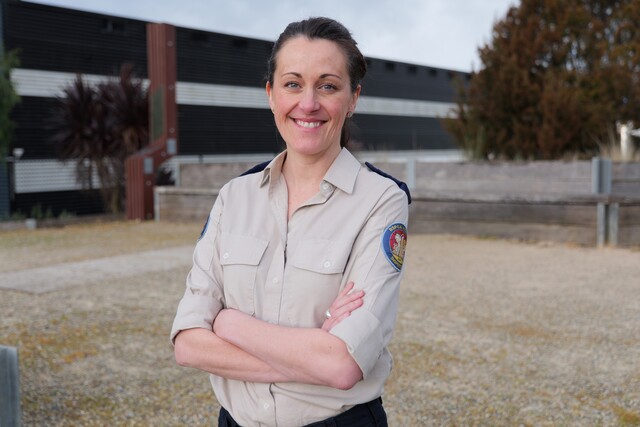
Chief Inspector Michelle Green said RSPCA Victoria’s Inspectors respond to animal cruelty throughout Victoria every day of the year.
“Right across the state, there’s been an increase in animal cruelty reports as the drought, cost-of-living crisis and mental health struggles of Victorians continues to rise,” she said.
“In particular, reports of animal hoarding situations rose 48 per cent in the last financial year, and these cases often see large numbers of animals suffering from neglect.”
In total, 108 animals were rescued by the RSPCA in the Yarra Ranges in 2024/25, with 1870 seizures or surrenders statewide. The total statewide figure was down by 16.89 per cent from 2250 the year before, but the Yarra Ranges figure was greater than each of the two previous years (25 in 23/24 and 57 in 22/23).
RSPCA Inspectorate Team Leaderfor the North-East (which covers the Yarra Ranges) Belinda Dent said there was 543 animals from the north-east seized by, or surrendered to, RSPCA Inspectors.
“The majority of what we deal with is not malicious cruelty, but neglect stemming from
financial stress, poor access to feed, or personal challenges like mental health issues,” she said.
“These situations are incredibly complex, and our job is to balance enforcing animal welfare laws with helping people do better by their pets.
“Wherever possible, my team and I try to support owners before things reach a crisis
point. This may be providing emergency pet food, bedding or kennels, or helping with
preventative flea and worming treatments.”
A total of 270 reports were received in the Yarra Ranges in 2024/25, accounting for 1.69 reports per 1000 residents.
Ms Dent said sometimes, the animals’ owners recognise their animal’s well-being is at risk and
choose to surrender their animal into their care, while sometimes, they need to step in and
seize their animal.
“Other cases involved households simply being overwhelmed by the number of animals
they had taken in,” she said.
“In the north-east region, we are continually seeing unwanted litters due to animals not being desexed, leaving owners struggling to meet the demands of providing basic care for many, vulnerable young animals.
“We’re extremely fortunate to work closely with local police and councils, and this support helps us to care for the community and their pets.”
In 2024/25, more than 10,000 animal cruelty reports were made by members of the public, with 1,870 animals being seized by or surrendered to RSPCA Victoria’s Inspectorate, almost double the number of animals seized or surrendered ten years ago.
Reports of horses facing cruelty were one of the biggest changes, with a 32 per cent increase in cruelty reports involving horses (1197 reports) and a 23 per cent increase in the number of horses seized or surrendered (209 horses).
The top types of cruelty reports were insufficient food, water or shelter (7916 reports, up 43.3 per cent), a husbandry issue (3936 reports, down 7.1 per cent) and underweight animal reports (3051 reports, up 22.28 per cent).
Ms Green said they encourage people to educate themselves on how to properly manage and care for their animals and to seek help before animals suffer.
“Our Inspectors are seeing basic animal neglect much more often than malicious cruelty, this includes animals with insufficient food, water and shelter, and those who are underweight,” she said.
“Part of this neglect are also husbandry concerns such as farrier attention, shearing and living conditions – particularly on hobby farms and acreage properties where they have livestock to maintain properties.
“When they can, our Inspectors can help with emergency pet food to struggling households, along with providing a range of other supports such as including donated kennels or bedding for pets and preventative flea and worming treatments.”
Anyone who has witnessed animal cruelty or has concerns about an animal’s welfare, please contact 03 9224 2222 or rspcavic.org/who-to-call.