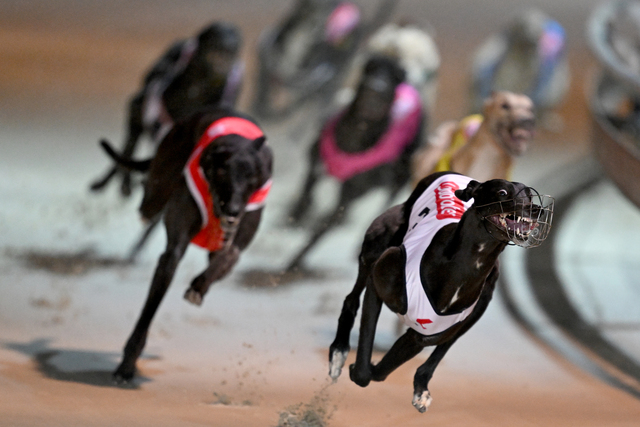
A policy costing from the Parliamentary Budget Office (PBO) has estimated that the Victorian government could save as much as $451.6 million over a decade if it chose to immediately ban greyhound racing.
Requested by Animal Justice Party MP George Purcell, the costing was released in the timely wake of the Tasmanian government’s decision to phase out greyhound racing by 2029.
General Manager of the Healesville Greyhound Association Peter Frost said they employ around 20 staff, with the majority based in the Yarra Ranges and generate just under $500,000 per annum in wages.
“Last financial year, Healesville alone held 134 race meetings over 10,000 industry participants attending the track annually, it’s fair to say that local businesses benefit from their attendance into our local LGA, many travel as far as Horsham, Bendigo, Shepparton and as far south as Seaspray,”
“On top of this, the club hold around 90 Trial sessions per annum where trainers across Victoria and other states come to Trial their dogs during the week,”
“Healesville Greyhounds are committed to supporting the local community and have several groups who utilise our facilities, consisting of local aged care groups, sporting clubs and the RSL to name a few.”
Healesville Greyhound’s ‘The Shed’ has also held several music events and functions with free room hire, with ticket sales going to the acts, and recently raised over $31,000 at their ‘Big Freeze at the Ville’ event in June.
Mr Frost said that as Healesville is a straight track, it is the safest track in Victoria which is something they pride themselves on.
“Greyhound racing is thriving in Victoria and across Australasia because we invest millions of dollars and countless hours into animal welfare, integrity, and rehoming,” he said.
“Retired greyhounds are becoming the pet of choice for thousands of Australians, proof that our industry’s commitment produces results,”
“I welcome anyone to spend a day in my shoes to get a clearer understanding of Greyhound racing from the inside, not of what you read.”
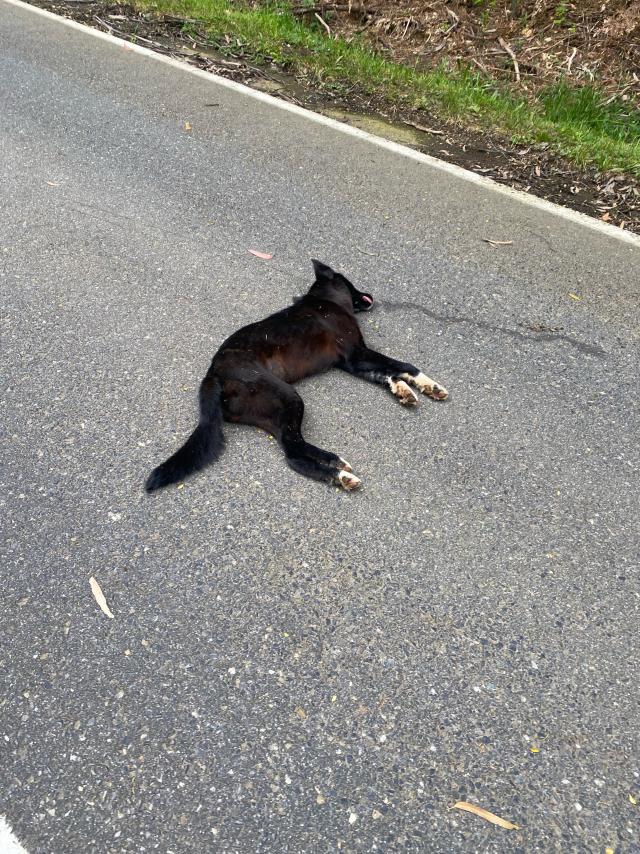
According to the Coalition for the Protection of Greyhounds (CPG), there have been no deaths but 20 serious injuries (stand down period of 60 days or more) at Healesville in 2025. In 2024, there was a total of three deaths, all as a result of leg fractures either on the track or in the catching pen. According to Greyhound Racing Victoria (GRV)’s latest annual report for 2023/24, 415 greyhounds were euthanised and 204 died due to illness, injury or natural causes around the state.
CPG president Amy MacMahon said Tasmania’s move should be a trigger to the rest of the country to follow suit, with both Tasmania and New Zealand having cited animal welfare concerns and the failure to meet community expectations in their moves to close down the industry.
“More people are becoming aware of the suffering of greyhounds in the racing industry, despite the industry’s best efforts to censor race footage, Australians love their dogs and don’t want to see them dying and maimed for the gambling business,” she said.
“Tasmania also shows how a phase-out should happen, giving racing participants enough time to find homes for their dogs and transition to other employment,”
“The phase-out process could hold some dangers for greyhounds, both Tasmania and New Zealand have introduced legislation to ensure that dogs aren’t euthanased by owners and trainers.”
74 per cent of a survey of 503 Tasmanians by Enterprise Marketing and Research Services supported the move to phase out greyhound racing, with 14 per cent opposed and 12 per cent undecided.
Greyhound Racing Victoria chief executive officer Stuart Laing said the supplier network involved in greyhound racing is not just limited to trainers, breeders, kennel attendants and race club staff – it also reaches veterinarians and transport companies, feed merchants, sand and soil suppliers, the construction and IT industries and equipment manufacturers.
“What the PBO costing doesn’t include are the direct income taxes on those who are employed within in greyhound racing, the payroll and corporate income taxes levied and net GST generated by businesses operating in greyhound racing, and other taxes and levies such as fringe benefits tax, land tax and other taxes generated from participants who spend money in their involvement in greyhound racing,” he said.
“While the PBO costings focus on the portion of the point of consumption tax on wagering that is passed through to the Victorian Racing Industry from the state government, it should be pointed out this is a tax paid by Australian wagering companies based on their wagering revenue generated in Victoria.”
The PBO’s costing found that operating expenses of $687.4 million would be saved over the next decade if greyhound racing was banned immediately, which would be offset by a decrease of $235.8 million due to the loss of point of consumption tax (POCT) revenue. The PBO did not consider potential changes in spending behaviour (such as betting shifted to other sports) or factor in potential financial claims against the Victorian government that could possibly be made for breaking existing agreements to enforce any potential ban.
Ms MacMahon said we know that state and territory governments around the country are spending millions of public dollars on greyhound racing every year.
“The recent Tasmanian election demonstrated the overwhelming community opposition to the taxpayer funding of greyhound racing. Under a 20-year funding deed, the Tasmanian government gave $74.6 million to the greyhound racing industry over the last 15 years,” she said.
“The Victoria PBO costings factor in greyhound racing’s share of a similar deed established by the Victorian government last year, the combined greyhound and horse racing deed will cost the Victorian taxpayer $2 billion over 10 years, that’s in addition to the 50 per cent of wagering tax gifted to the industry, this is all money that should be spent on things that Victorians actually need, like community infrastructure, housing and healthcare,”
“Greyhound racing is effectively propped up by public funding, GRV needed a $3m taxpayer loan in the 2024 financial year to meet its immediate commitments, and as pointed out by the leading economist Saul Eslake in Tasmania, the government is just throwing good money after bad.”